




Dr Oz says regular coffee consumption has been officially linked to many health benefits
“Good news! The American Heart Association just announced that coffee isn’t just safe, it may actually be good for your heart. After reviewing dozens of studies, researchers found that… pic.twitter.com/1RC5EUPZue
— Wall Street Apes (@WallStreetApes) August 7, 2026
Mike Anthony here. Dr. Oz is out here in a suit next to a fancy espresso machine delivering the news a lot of us already suspected: regular coffee isn’t the villain it was once painted to be. In a recent clip circulating hard on X (above), he highlighted the American Heart Association’s fresh scientific statement. Two to three cups a day looks like a sweet spot associated with lower risk of heart disease, stroke, and type 2 diabetes. Coffee’s packed with polyphenols that act as antioxidants and help dial down inflammation. Now in all honesty I am not a fan or the current American Heart Association, as they seem to do whatever Big Pharma and Big Food want. But in this case, I’ve done the testing myself for years, all different brands. They are right.
The AHA statement, published in Circulation in July 2026, went further. For most healthy adults, up to about 400 mg of caffeine a day — roughly three to five 8-ounce cups of plain black coffee — does not raise cardiovascular risk and is linked to lower odds of heart disease, heart failure, stroke, and some irregular rhythms. Add the syrups, heavy cream, and sugar bombs and you start cancelling the upside. Filtered coffee is preferable; unfiltered versions (French press, some espresso) carry cafestol that can nudge LDL cholesterol upward.
That’s the headline. The quieter benefits are what many people still miss.
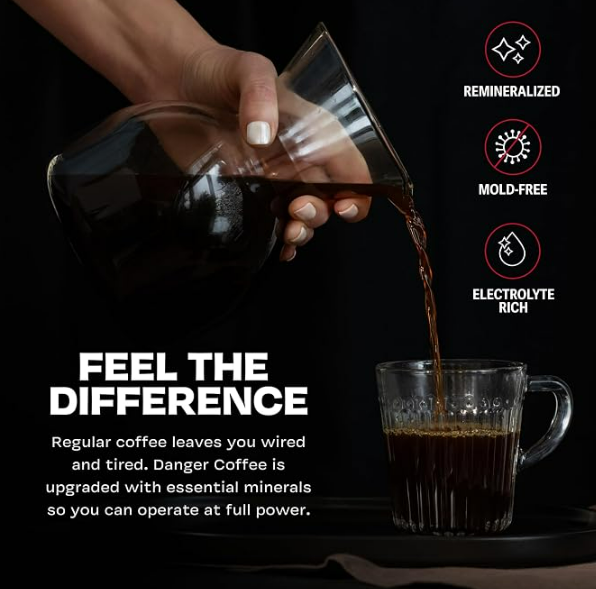
The Under-the-Radar Perks
Liver protection that looks almost aggressive. A large 2026 UK Biobank analysis following more than 350,000 people found higher coffee intake tied to meaningfully lower risks of cirrhosis, hepatocellular carcinoma (the main form of liver cancer), and liver-related death. Five or more cups a day was associated with roughly 32% lower cirrhosis risk, nearly 50% lower liver cancer risk, and about 42% lower liver-related mortality. Even one to two cups showed benefit, and the effect appeared with both regular and decaf. The non-caffeine compounds seem to do real work here — less liver fat, less inflammation, better protein markers on scans and bloodwork.
Parkinson’s risk reduction. Multiple large cohorts and meta-analyses have repeatedly linked higher coffee (and caffeine) intake to lower Parkinson’s incidence — on the order of 25–40% lower risk in the highest consumers compared with non-drinkers. The caffeine appears central, acting on adenosine receptors in ways that may protect dopamine neurons. Decaf doesn’t deliver the same signal.
Type 2 diabetes. Habitual drinkers show lower risk across big observational data. Meta-analyses put the reduction in the 20–30% range at moderate-to-higher intakes, with each additional cup associated with a further modest drop. Chlorogenic acids and other polyphenols improve insulin sensitivity over time even if a single cup can temporarily reduce it.
Powerful antioxidant load. Coffee is one of the largest sources of polyphenols and phenolic acids in the Western diet. Chlorogenic acids, caffeic acid, and related compounds combat oxidative stress and inflammation. Emerging work even points to activation of cellular pathways (including NR4A1) that help cells handle stress and aging. This is likely a big part of why the benefits show up across so many systems.
Brain and longevity angles. Long-term data (including a 43-year follow-up of health professionals) links moderate caffeinated coffee — around two to three cups — to lower dementia risk and better cognitive measures. All-cause mortality studies consistently show the lowest risk around three to four cups a day. Coffee drinkers simply tend to live longer in the big datasets.
Caffeine itself sharpens focus, reaction time, and physical performance by blocking adenosine. Moderate intake is also associated with lower depression risk in observational work. None of this turns coffee into a miracle drug, and genetics, sleep, anxiety, and blood pressure response vary person to person. Pregnant women, people with certain arrhythmias, or those sensitive to caffeine still need to be careful. Energy drinks are a different animal entirely — higher doses and different delivery can raise blood pressure and arrhythmia risk.
The practical takeaway is almost boring in its simplicity: drink your coffee mostly black or with minimal add-ins, prefer filtered when possible, stay in the moderate range most days, and stop treating the stuff like a guilty pleasure. The data have been stacking up for years. The American Heart Association just made it official enough that even the cautious crowd has to update the script.
Your morning ritual was never the problem. The problem was the decades of finger-wagging that ignored the polyphenols.
Here are the brands I currently take. I had once used Bulletproof coffee, but haven’t now for about a year. Dave Asprey tells a few stories about his former company, but that is for another time.
My current brand
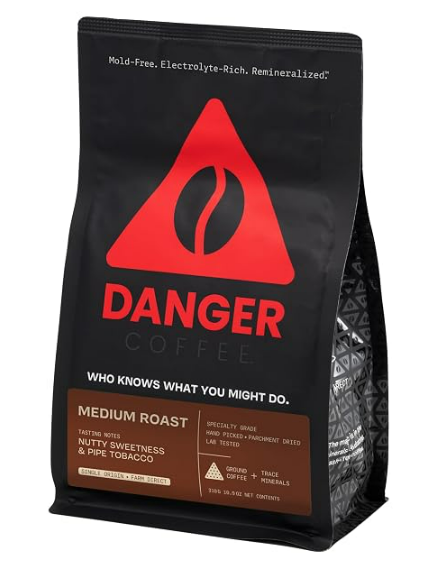
Danger Coffee by Dave Asprey, Remineralized, Mold Free & Lab Tested Ground Healthy Coffee, Medium Roast, 10.9 Ounce
“As an Amazon Associate I earn from qualifying purchases.”
This is Dave’s company he launched long after he sold Bulletproof. Read the info on it. For all around health, so far I can’t find a better brand. But when I do, I will post it for you.
- Michael Anthony, Health Writer for Whatfinger News
See Health Articles and Videos
- Michael Anthony Health at Choice
- Longevity Articles – Choice – Whatfinger News
- Michael Anthony Health Articles at Dedicated issues
References
- Is coffee bad for your heart? Here’s the latest science | American Heart Association
- Caffeine and Cardiovascular Disease | American Heart Association Fact Sheet
- Coffee may lower risk for liver disease, related mortality
- Coffee and Tea Intake, Dementia Risk, and Cognitive Function | JAMA
- Association of Coffee Consumption and Prediagnostic Caffeine Metabolites With Incident Parkinson Disease
- Coffee is good for you. Science keeps making the case stronger | Vox
- Coffee may help the body fight stress and aging through a hidden cellular switch

Top Features and Vids across all Whatfinger sites right now
- Sad Truth Behind Perez Hilton’s Horrifying Livestream Finally Comes Out
- Airlines Caught Spying on Grieving Families: Ticket Prices Double for Funerals Under Creepy ‘Surveillance Pricing’ Scam
- Scientists Issue WARNING After Spotting 20 UFOS On The Moon – Tim Pool
- Cartel Animals Execute Beauty Influencer Live on TikTok Because She Dumped the Boss’s Son (Distressing Vid included)
- Weed Now Beats Cigarettes as America’s Daily Habit — Alcohol Still Rules the Roost, But the Culture Is Getting Higher
Get on over to Whatfinger.com – Whatfinger News does millions of pageviews a month for a reason…. Truth, Justice, the American way, plus news on the Left as well – all links from all sites gives you the true news. – CLICK HERE 🛑
Drudge Report Alternative

