




A new mouse study out of Kyoto University, published October 8 in the journal Diabetes, found that giving olive oil 15 minutes before glucose delayed gastric emptying and cut the early rise in blood sugar. The effect held even in mice with type 2 diabetes and severe insulin deficiency. Lead researcher Dr. Daisuke Yabe said the order nutrients reach the gut can trigger a coordinated hormone-nerve response that slows how fast the stomach hands glucose off to the intestine. I love to dive into such studies, but of course we have to note that it was a mouse study.
Glucagon (usually known for raising blood sugar) and GLP-1 rose early when fat went first. Blocking either alone did not kill the benefit; blocking both did. Other dietary fats produced similar results, so this is not an olive-oil-only trick. The experiment used fasted mice given nutrients separately, not a normal mixed meal. Human translation still needs testing. Dietitians note you do not need to chug olive oil like a supplement. A salad dressed in it, or eggs before toast, fits the same idea.
This lines up with earlier human work showing vegetables or protein before carbohydrates can moderate the post-meal glucose peak. On X, the Fox News piece and the underlying paper circulated quickly. Doctors and accounts shared the simple plate order: vegetables, then protein, then carbs. Others pointed to related everyday moves such as cooling cooked rice so some starch turns resistant and digests slower.
Dr. Eric Berg’s widely viewed video “THIS Lowers Blood Sugar Levels FASTER than Anything Else” (below) adds the practical side for when the spike already happened. Short high-intensity intervals pull glucose into muscle. A tablespoon of apple cider vinegar in water after a higher-carb meal has been shown in studies to blunt the rise. A 25- to 30-minute walk after eating does the same by using the sugar for fuel instead of storing it. Berg also flags berberine, adequate potassium and magnesium, and, as the most extreme option, dry fasting for rapid drops via higher glucagon and a fast shift into fat burning. He notes these are tools on top of keeping the overall diet low in sugar and refined starch.
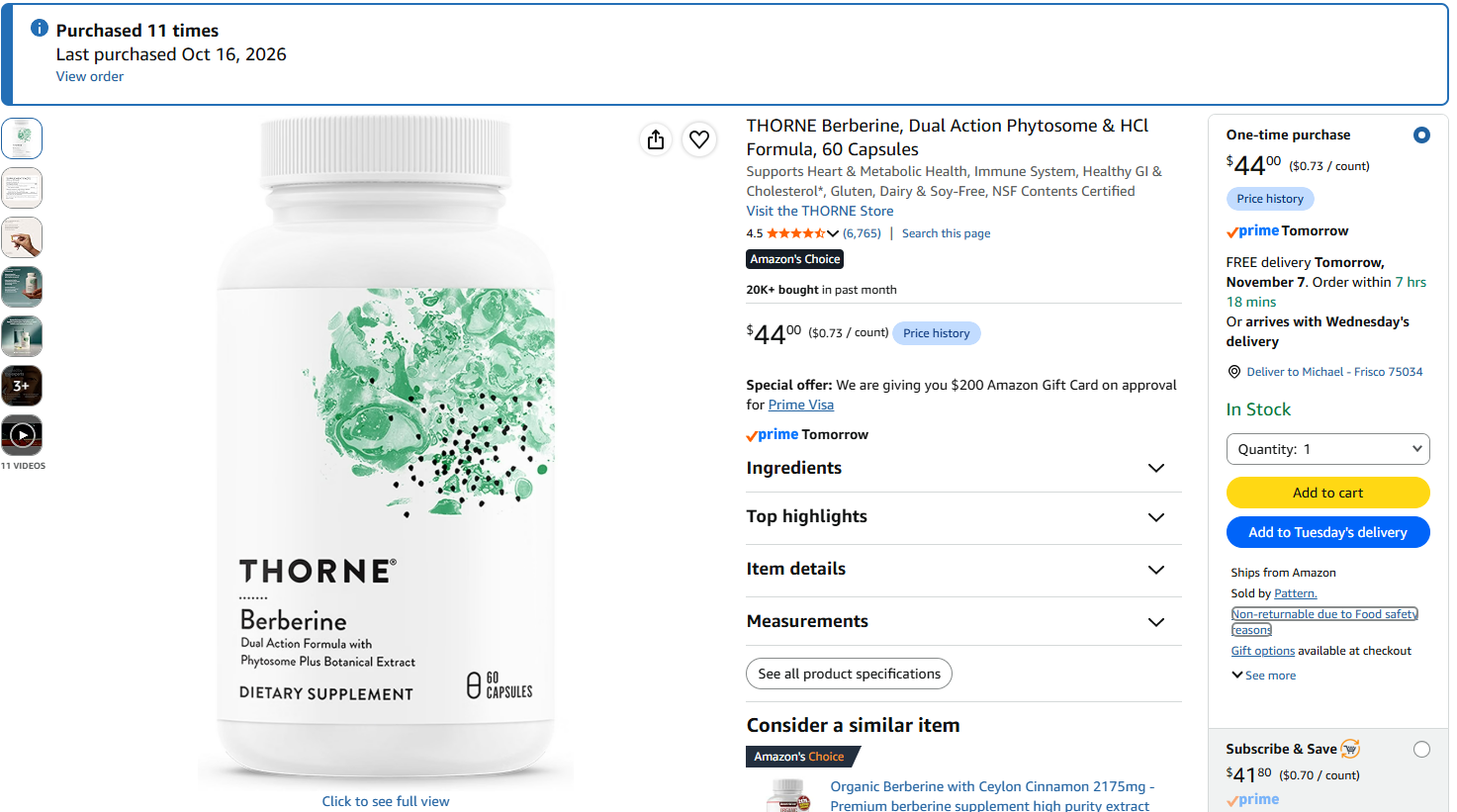
The bigger pattern from both the new paper and the X discussion is straightforward. Sequence the meal so fiber, protein, and fat land before the bulk of the starch or sugar. Walk after you eat. Keep processed junk with dextrose and starch fillers off the plate. Build plates that already contain vegetables, protein, and healthy fat so the carbs do not hit an empty gut at full speed. Those steps cost little and do not require cutting entire food groups. Then there are always a few select supplements that have been shown to work well. Specifically, Berberine which I personally tested. It works well, and not just with mice. Below is the actual product I buy, you can see how many times I bought it, last time was just weeks ago. I like to take a couple with a meal on my cheat days, and the results are amazing in lowering your blood sugar levels.
More on the same topic lives in the Whatfinger News health coverage at health.whatfinger.com and the Healthfinger desk at dedicatedissues.com/healthfinger.
The Whatfinger News Team: Michael Anthony, with Lisa and Grok on edits and graphics
The Berberine I ended up using more than all others… click below
 “As an Amazon Associate I earn from qualifying purchases.”
See Health Articles and Videos
- HealthFinger
- Michael Anthony Health at Choice
- Longevity Articles – Choice – Whatfinger News
- Michael Anthony Health Articles at Dedicated issues
- BMI + Healthy Weight Range Calculator
More….
A bowl of rice puts more sugar into your blood than most desserts. Dr. David Unwin breaks down what common starchy foods turn into once they’re digested: – 150g white rice ≈ 10 teaspoons of sugar – 150g boiled potato ≈ 9 teaspoons – 2 thin slices of brown bread ≈ 6 teaspoons – 1 banana ≈ 6 teaspoons Then he gives the number that puts the rest in context. Your entire bloodstream, all 5 liters of it, holds about 4 grams of glucose. That’s a single teaspoon. So one banana delivers six times the glucose your whole bloodstream carries at any moment. In a healthy body, insulin quickly moves the excess into your cells. In an insulin-resistant body, the system gets swamped and blood sugar spikes.
The part worth thinking about is what he says about young people. You can eat this way for years and feel fine, because your pancreas is working overtime to keep up. Feeling fine just means the bill hasn’t come due yet. Compare that with steak and a big salad, or a three-egg omelette with cheese. Both are nutrient-dense, and both put almost no glucose into your blood. None of these starchy foods taste sweet, and that’s why the comparison matters. Starch is made of long chains of glucose, and digestion breaks it down into the same glucose that’s in table sugar. Unwin’s teaspoon figures come from each food’s glycaemic load, which measures how much a normal portion actually raises blood glucose. Each teaspoon equals 4g of sugar.
A bowl of rice puts more sugar into your blood than most desserts.
Dr. David Unwin breaks down what common starchy foods turn into once they’re digested:
– 150g white rice ≈ 10 teaspoons of sugar
– 150g boiled potato ≈ 9 teaspoons
– 2 thin slices of brown bread ≈ 6 teaspoons
– 1 banana ≈ 6 teaspoons
Then he gives the number that puts the rest in context. Your entire bloodstream, all 5 liters of it, holds about 4 grams of glucose. That’s a single teaspoon.So one banana delivers six times the glucose your whole bloodstream carries at any moment. In a healthy body, insulin quickly moves the excess into your cells. In an insulin-resistant body, the system gets swamped and blood sugar spikes.
The part worth thinking about is what he says about young people. You can eat this way for years and feel fine, because your pancreas is working overtime to keep up. Feeling fine just means the bill hasn’t come due yet.
Compare that with steak and a big salad, or a three-egg omelette with cheese. Both are nutrient-dense, and both put almost no glucose into your blood.
None of these starchy foods taste sweet, and that’s why the comparison matters.
Starch is made of long chains of glucose, and digestion breaks it down into the same glucose that’s in table sugar. Unwin’s teaspoon figures come from each food’s glycaemic load, which measures how much a normal portion actually raises blood glucose. Each teaspoon equals 4g of sugar.
— Camus (@newstart_2024) November 3, 2026
