
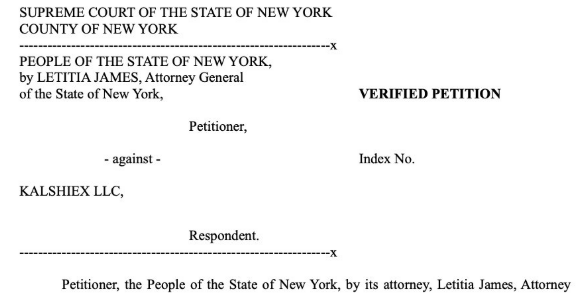

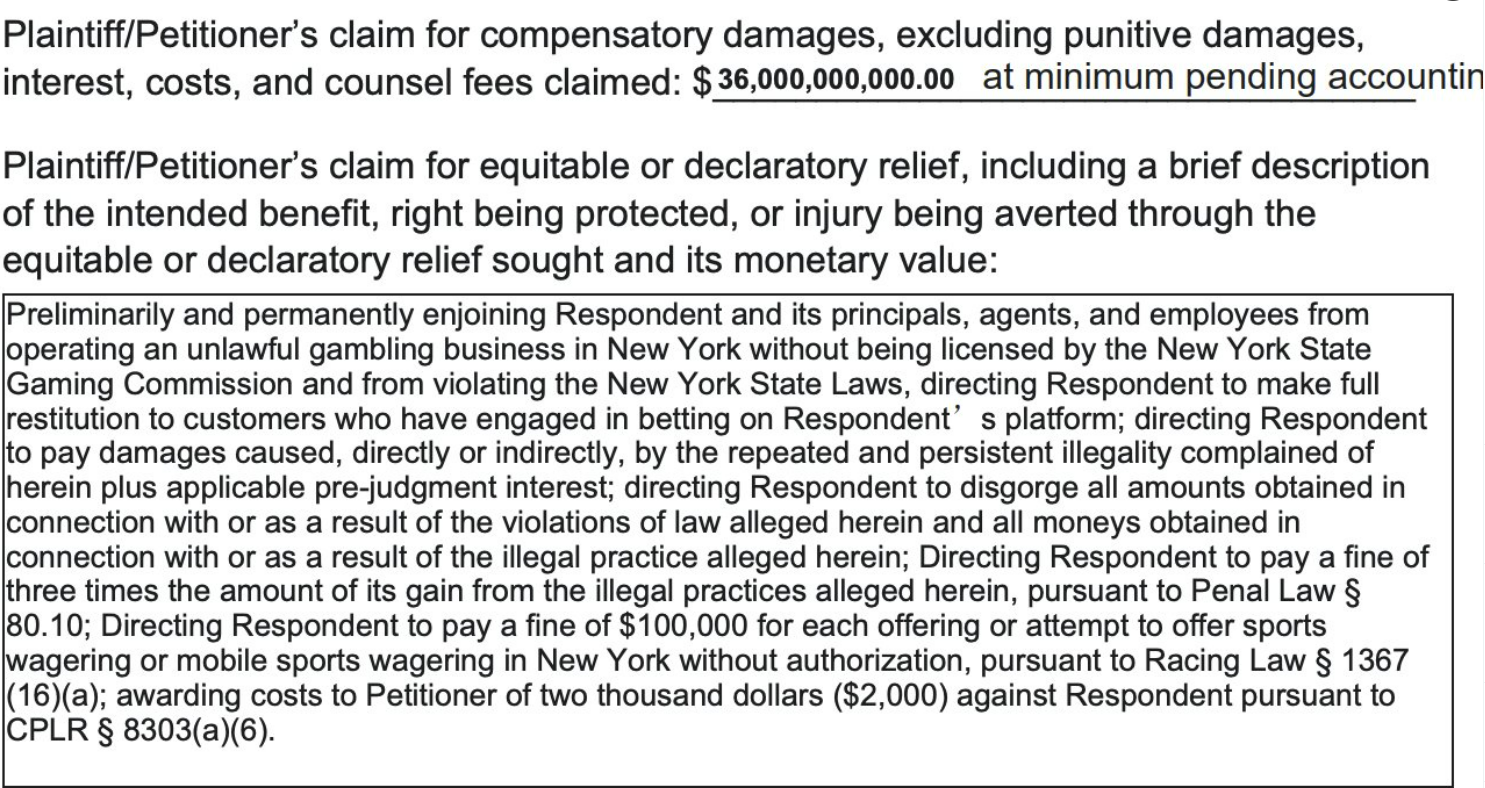
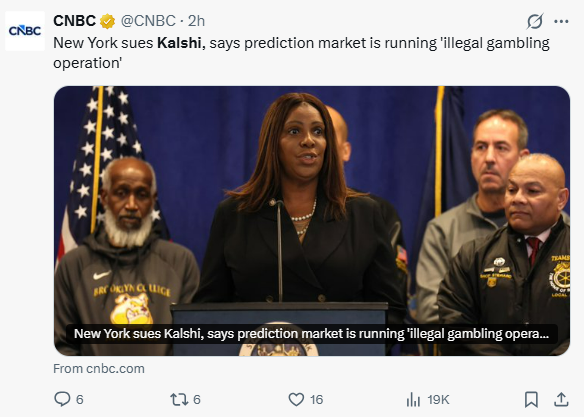
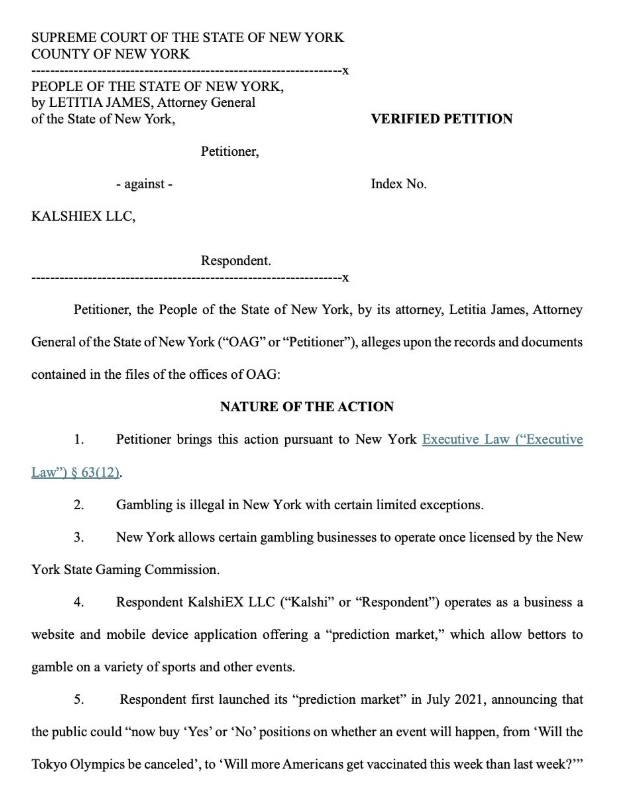
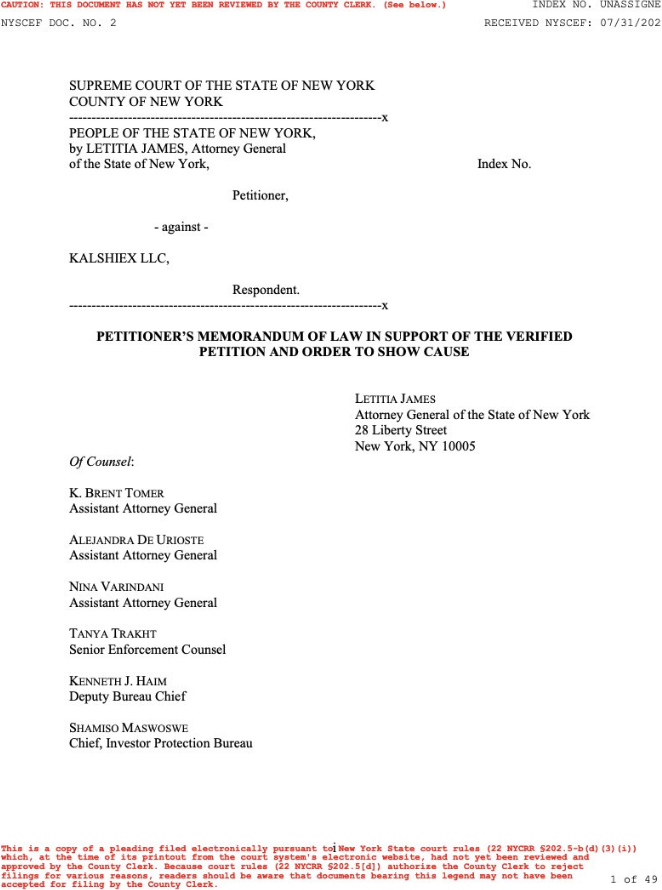
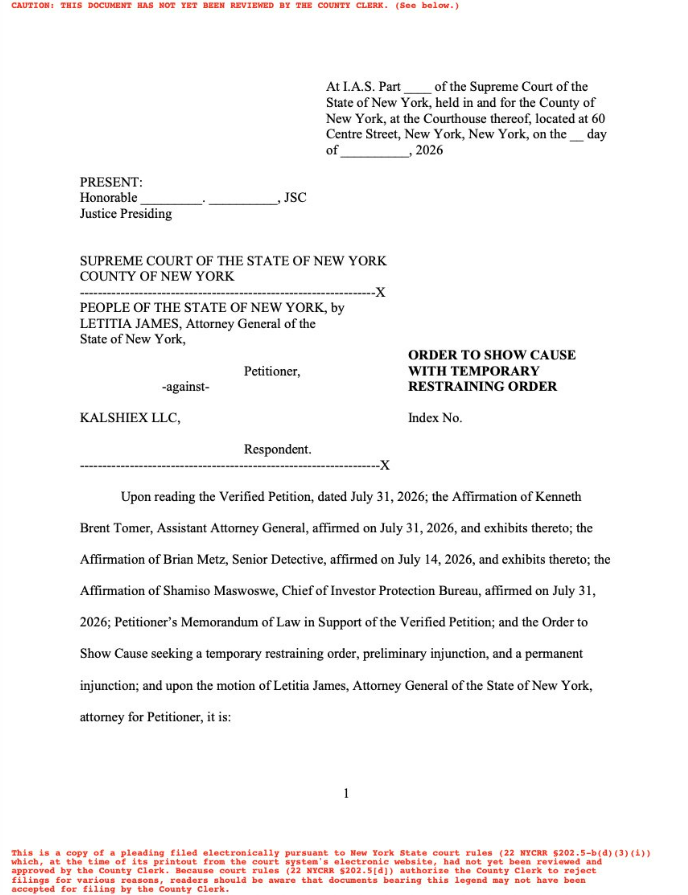
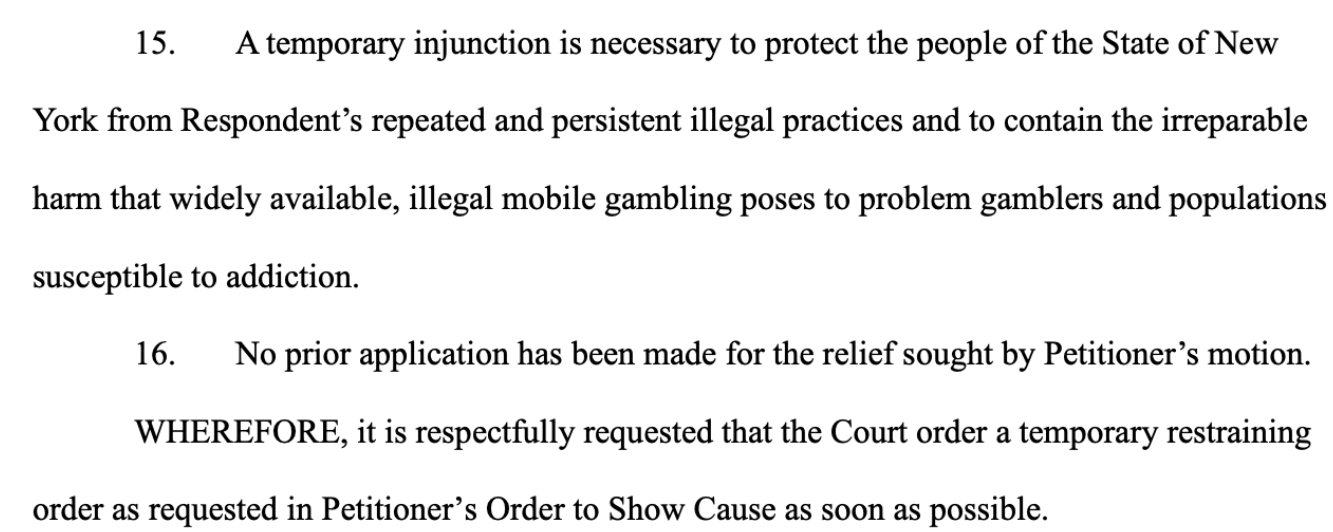
New York Attorney General Letitia James just sued prediction market company Kalshi. She called it a gambling platform “plain and simple.” Governor Kathy Hochul joined in. They want to shut it down in the state, force it to pay big penalties, and return money to users.
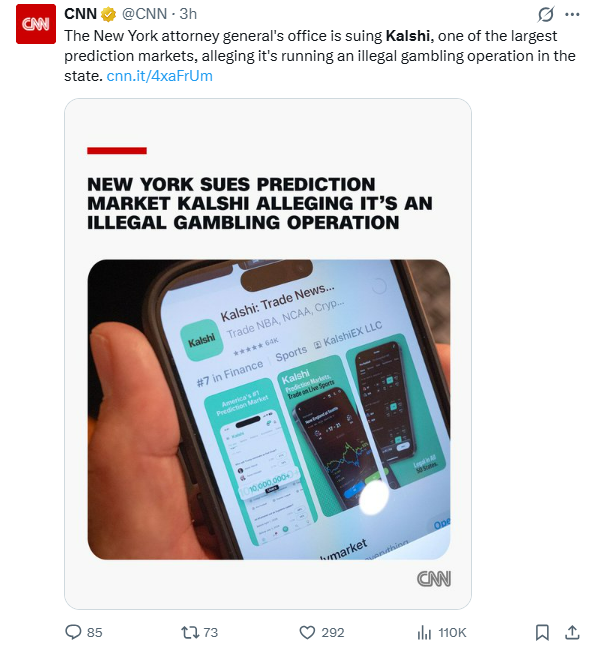
This is not just one lawsuit. It is part of a bigger fight. Governments in the United States and overseas are trying to stop platforms like Kalshi and Polymarket from letting regular people put money on real-world events. These include elections, sports, and major news. The prices on these markets show what the crowd thinks will happen. Sometimes those prices beat the polls and the experts.
What These Platforms Actually Do
Kalshi is a U.S. company regulated by the Commodity Futures Trading Commission (CFTC). It runs as a designated contract market. People buy and sell simple yes-or-no contracts on events. If you think a team will win or a candidate will take a state, you can trade on it. The price becomes a real-time probability.
Polymarket started as a crypto-based platform popular around the world, especially for political events. After a 2022 CFTC settlement, it blocked most U.S. users. Later it gained limited CFTC approval to return through a regulated U.S. arm. Both platforms exploded in popularity. Sports, elections, and big cultural events drove heavy trading volume.
Critics in blue states call them casinos. Supporters say they are financial markets that discover truth through real money and open participation. Under the Trump administration, the CFTC has defended them as federal products that states should not shut down. If the Democrats retake both houses in November thanks to the RINOS in the Senate and massive fraud in elections, these outlets face tough times ahead.
Kalshi’s Legal Headaches
Kalshi has federal approval. That did not stop state gaming commissions and attorneys general. New York sent a cease-and-desist order, then filed suit. The state claims Kalshi offers sports and event wagers without a state gaming license. Officials point to users under 21 and markets involving New York college teams. A federal judge in Manhattan denied Kalshi’s request for an injunction that would have blocked state enforcement while the case continues.
Similar fights are underway in other states. Massachusetts, Nevada, and others have pushed back. Some courts have sided with the platforms and the CFTC, at least temporarily. In Minnesota, a federal judge blocked a state ban on prediction markets, saying it likely conflicts with federal law. The CFTC itself has sued multiple states, arguing Congress gave it exclusive power over these event contracts.
President Trump has said it is “critically important” that the CFTC keep exclusive authority so the markets can thrive. His administration is pushing rules that allow most of these contracts while trying to stop obvious problems.
Polymarket’s Long Road of Challenges
Polymarket faced its first big U.S. problem years earlier. The CFTC said it ran an unregistered exchange. The company paid a fine and cut off most American users. It later won limited approval to operate a regulated U.S. version. That has not stopped state actions or investigations.
States treat it the same way they treat Kalshi when sports contracts are involved. Abroad the pressure is often harder. Brazil banned 27 prediction platforms, including both Kalshi and Polymarket, saying they were illegal gambling rather than proper financial products. France ordered internet providers to block Polymarket. Ukraine did the same, listing it as unlicensed gambling.
These platforms keep running in places that allow them, but the map of open markets keeps shrinking when governments decide they do not like the product.
Why This Fight Matters
Blue-state attorneys general talk about protecting kids and stopping addiction. They use the same language every time they want more control. At the same time, many of these same officials spent years trying to regulate or silence political speech they disliked. Prediction markets have a habit of showing uncomfortable truths—especially around elections—when mainstream media and pollsters get it wrong.
Federal law already treats these contracts as derivatives under the CFTC. States that run their own sportsbooks suddenly claim exclusive power when a competitor shows up. The result is a patchwork of lawsuits, cease-and-desist letters, and temporary bans. The Trump CFTC is pushing back, arguing that one clear set of federal rules is better than 50 different state gambling regimes.
For ordinary Americans, the choice is simple. Do we want open markets where people can express real beliefs with real money, or do we want politicians and bureaucrats deciding which predictions are allowed? Kalshi and Polymarket are the current test cases. How the courts and Congress settle the federal-versus-state fight will decide whether these markets grow in the open or get pushed offshore and underground.
—-The Whatfinger News Team: Leads: Luke and Lisa
Resources
- It’s A Gambling Platform “Plain And Simple”; New York Sues Kalshi
- Why are states cracking down on Kalshi and Polymarket?
- Prediction market lawsuits set stage for major court battles
- Minnesota judge blocks prediction market ban
- CFTC fights states over regulation of prediction markets
- Kalshi, Polymarket Among 27 Prediction Platforms Banned In Brazil
- French Gambling Regulator Orders ISPs To Block Polymarket
- Ukraine Blocks Polymarket, Classifies Prediction Markets As Gambling
- Trump CFTC unveils new prediction market regulations
Top Features and Vids across all Whatfinger sites right now
- Woke EU Socialists Are Flooding Europe With Illegals to Wipe Out Western Culture
- Waking Up to Pee at Night? The Problem Starts During the Day
- Dr. Fauci Is Toast: Rand Paul Pushes Contempt Charges After Fauci Takes the Fifth 111 Times
- Body camera footage released of Tony Romo’s arrest for alleged OWI
- First To Fall: South Korea’s stock market just got absolutely smoked — down roughly 40% in about 40 days, wiping out around $2 trillion in value.
Get on over to Whatfinger.com – Whatfinger News does millions of pageviews a month for a reason…. Truth, Justice, the American way, plus news on the Left as well – all links from all sites gives you the true news. – CLICK HERE 🛑