



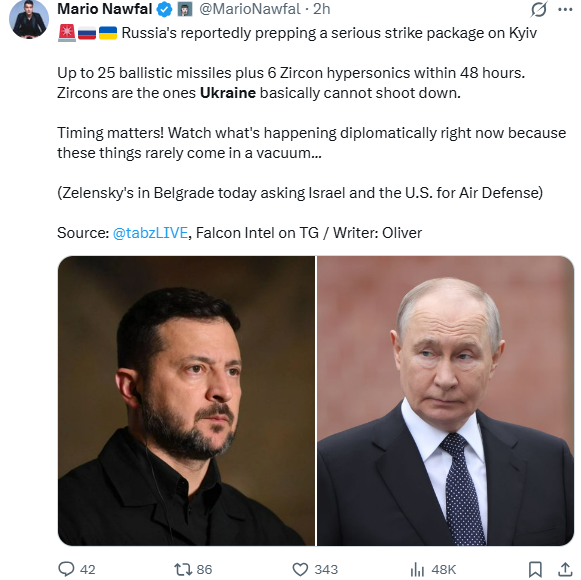
In the early hours of this week, Russian forces lit up the skies over Kyiv and surrounding regions with ballistic missiles and hypersonic weapons. Ukrainian air defenses, which still knock down the bulk of the drones and many cruise missiles, intercepted zero of the ballistic threats. Not one. Explosions lit the night. Civilians died. Infrastructure burned. The pattern is no longer occasional — it is becoming the new normal.
President Volodymyr Zelenskyy put the numbers on the table after meeting his military leadership. Deliveries of air-defense interceptors from partners this year have dropped to roughly one-third of what Ukraine received over the same period in 2025. “Our partners have the missiles,” he said. “What is needed are the necessary political decisions on deliveries and on accelerating production, including localization in Ukraine.” Foreign Minister Andriy Sybiha was blunter: every interceptor counts. They are life-saving tools. Russian strikes take no summer vacation.
The cupboard is bare
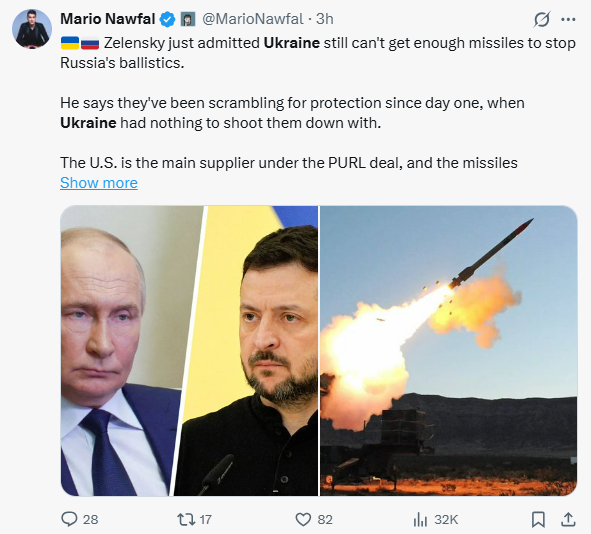
Patriot systems remain Ukraine’s only reliable answer to Russian ballistic missiles — Iskanders, Kinzhals, and the rest. The interceptors that feed those launchers are the bottleneck. Recent barrages have left Ukrainian batteries effectively empty against the high-end threats. One night Ukraine intercepts almost nothing ballistic. Days later, the same story. Casualties mount. The capital and other cities are increasingly exposed.
The United States, long the primary source, is itself constrained. A Center for Strategic and International Studies assessment found U.S. stocks of Patriot PAC-3 MSE interceptors have fallen sharply — from more than 2,300 before the Iran conflict earlier this year to roughly 800–900. THAAD inventories took a similar hit. Mark Cancian of CSIS was direct: Ukraine should not expect many interceptors, or any, from U.S. inventories for quite a while. War planners do not want to go below the remaining floor. New production is ramping — from about 300 a year pre-war to around 600 now, with ambitions for 2,000 — but that higher output is years away, and Ukraine will compete with Gulf partners, U.S. needs, and others for every missile that rolls off the line.
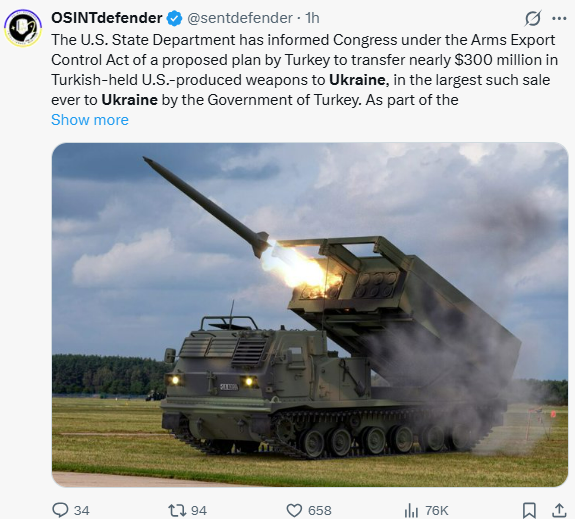
Trump administration officials have rejected some of the more alarmist “dangerously low” characterizations as overstated, and the Pentagon has signed deals to expand production capacity with Lockheed Martin and Northrop Grumman. Still, the timeline problem remains stubborn. Rebuilding stockpiles takes time. Licensing Ukraine or European partners to produce interceptors sounds promising on paper; turning it into metal in the sky takes longer.
Moscow is accelerating
Russia has noticed the gap and is exploiting it. Ballistic missile attacks on Kyiv have come with increasing frequency — roughly every three days in parts of July. The volume of ballistic launches this year already exceeds earlier periods by a wide margin. Intelligence reports indicate North Korean missile units and munitions are again in the mix. Zelenskyy has warned that Moscow is trying to ramp ballistic production further ahead of winter, when energy infrastructure becomes the classic target set.
Ukraine still downs the vast majority of the cheaper, slower threats. Drones and cruise missiles remain manageable in most salvos. The ballistic and hypersonic layer is the one that punches through when interceptors run out. That is the emergency. Cities that once had a reasonable chance of protection against the deadliest weapons are now closer to open season.
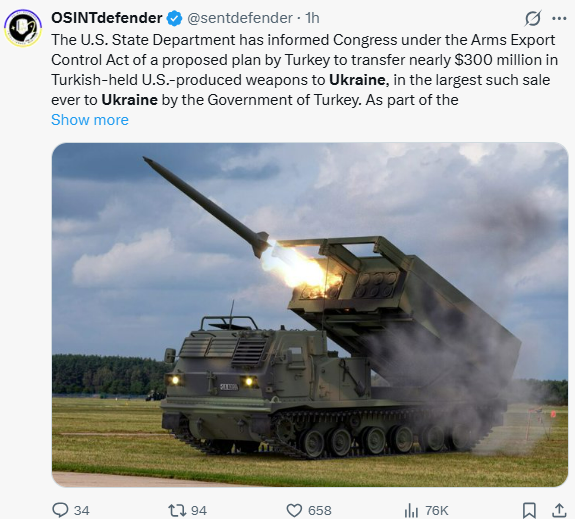
Kyiv has asked nearly 40 countries for temporary transfers of interceptors from existing stocks, offering later replacement from future production. European Patriot operators — Germany, Poland, the Netherlands, and others — face their own inventory pressures. Some help is moving. It is not moving at the scale or speed the threat demands.
Reality check with a side of irony
The West spent years building the most sophisticated air-defense architecture on the planet. Then it discovered that high-end interceptors are not produced like Amazon packages. Production lines that once looked adequate for peacetime and limited conflicts are now stretched across Ukraine, the Middle East, and the Indo-Pacific simultaneously. Russia, meanwhile, treats ballistic missiles as a renewable resource and keeps launching.
Ukraine has adapted — single-interceptor shots instead of the doctrinal two-to-four, better tactics, more reliance on cheaper countermeasures where possible. Resilience is real. It is not a substitute for magazines full of PAC-3s when the next large ballistic wave arrives.
The situation is at emergency level. Not “challenging.” Not “we need more discussions.” Emergency. Russian attacks are increasing in frequency and lethality precisely because the defensive cupboard is emptying. Partners still have missiles in warehouses. Production can be accelerated. Political decisions can be made. Winter is coming, and the lights, heat, and civilian lives in Ukrainian cities will depend on whether those decisions arrive before the next major salvo does.
Every interceptor that reaches a Ukrainian launcher is one more chance to keep a missile from hitting an apartment block, a power plant, or a school. Right now those chances are running out faster than the West is replacing them.
—The Whatfinger News Team: Leads: Sgt K and Ben
References
- Ukraine Critically Short Of Air Defenses As Questions Swirl Over US Patriot Stockpiles
- Ukraine says missile interceptor deliveries have fallen to third of 2025 level
- After deadly Kyiv strike, Ukraine warns interceptor shortage is costing lives
- Amid Intensifying Russian Strikes, Ukraine’s Pleas for Air Defenses Are Falling Flat
- Ukraine’s Patriot shortage meets a Western production line that can’t keep up
- Nato to ‘urgently’ get air defences for Ukraine, as Zelenskyy warns of surge in Russian missile production
- Putin escalates ballistic missile attacks as Patriot shortages leave Ukraine defenseless

Top Features and Vids across all Whatfinger sites right now
- Joe Rogan: The Latest Developments in Age Reversal Research – Fast clip plus full show (MUST SEE FOLKS)
- KILLER CLOWN TAKES ELDERLY MAN – The Quartering Vid
- Your Daily Coffee Habit Just Got Officially Cleared by the Heart Doctors — and Then Some
- Enes Freedom is about to turn the WNBA’s progressive experiment into a full-contact reality check
Get on over to Whatfinger.com – Whatfinger News does millions of pageviews a month for a reason…. Truth, Justice, the American way, plus news on the Left as well – all links from all sites gives you the true news. – CLICK HERE 🛑
Drudge Report Alternative

