


This is huge.
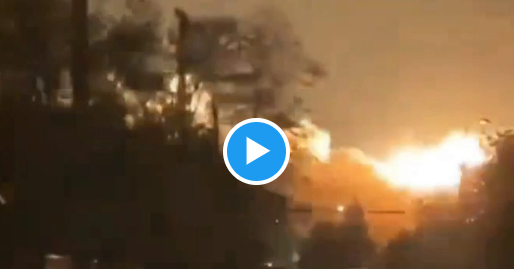
First time the U.S. and Saudi Arabia have announced joint action against Iran.
U.S. and Saudi forces carried out precision strikes in eastern Iraq, targeting Iran-backed militia weapons and logistics sites after more than 30 drone attacks over the past 72 hours. pic.twitter.com/OkGtNKwUYl
— Baba Banaras™ (@RealBababanaras) July 29, 2026
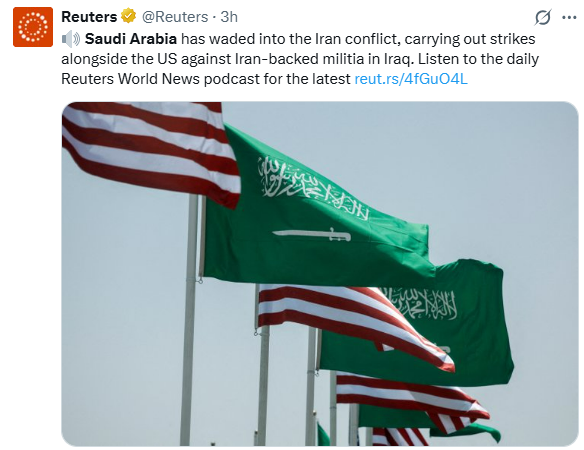
In a significant expansion of the ongoing 2026 Iran war, the United States and Saudi Arabia conducted joint precision airstrikes late Tuesday against Iran-aligned terrorist logistics and weapons sites in eastern Iraq. The operation marked Saudi Arabia’s first publicly confirmed offensive action in the conflict and came in direct response to more than 30 IRGC-directed drone attacks launched from Iraqi territory against U.S. forces and Saudi energy infrastructure over the previous 72 hours.
U.S. Central Command and the Saudi Arabian Armed Forces targeted multiple sites used by Iran-backed groups, primarily elements of the Popular Mobilization Forces (PMF). CENTCOM stated the strikes responded to “unwarranted attacks” that failed to hit their targets. “The IRGC and its terrorist proxies must cease these attacks to avoid further U.S. military response,” the command said. Saudi officials framed the action as legitimate self-defense under Article 51 of the U.N. Charter after drones targeted petroleum facilities in the Kingdom’s eastern province and near Riyadh.
Iraq’s PMF reported at least 20 of its fighters killed and 32 wounded in strikes that hit positions across seven provinces, including Baghdad, Diyala, Karbala, Basra, Wasit, Nineveh, and Kirkuk. The group called the figures preliminary. Iraqi leaders, including the presidency and Prime Minister Ali al-Zaidi, condemned the operation as a violation of Iraqi sovereignty, while also criticizing the proxy attacks that provoked it.
Iran responded by launching ballistic missiles toward U.S. forces in the region, including bases in Jordan. Jordanian and American defenses intercepted the incoming missiles, with no reported casualties. Iranian state media and the IRGC also claimed attacks on oil tankers in or near the Strait of Hormuz that allegedly ignored warnings, and accused the United States of a strike near the Iranian border city of Piranshahr—claims not independently confirmed by U.S. or coalition sources.
President Donald Trump made clear the United States would not tolerate the renewed aggression. In comments reported Wednesday, he said Iran was “going to get a beating” and that American forces would be “hitting them hard.” Trump noted the joint Iraq strikes were coordinated and signaled openness to further action while leaving room for diplomacy. The comments followed a White House meeting with Israeli Prime Minister Benjamin Netanyahu focused on containing Iran’s nuclear and regional ambitions.
Oil markets reacted immediately. Brent crude and West Texas Intermediate jumped several percentage points—reports indicated gains of roughly 3 to more than 6 percent in early trading—as traders priced in the risk of wider disruption to Gulf shipping and production. Prices have risen more than 20 percent since the war began in late February.
Background of the Conflict The current phase of fighting traces to U.S. and Israeli strikes on Iranian targets that began February 28, 2026. What started as a campaign against Iran’s nuclear program, missile forces, and command infrastructure has drawn in Tehran’s regional proxies—Iraqi militias, Yemen’s Houthis, and Hezbollah—while Iran has repeatedly targeted U.S. and partner assets and attempted to pressure shipping through the Strait of Hormuz. A short pause in direct exchanges earlier this month collapsed as IRGC-directed drone and missile activity resumed. Saudi Arabia had largely stayed on the defensive until this week’s coordinated strikes.
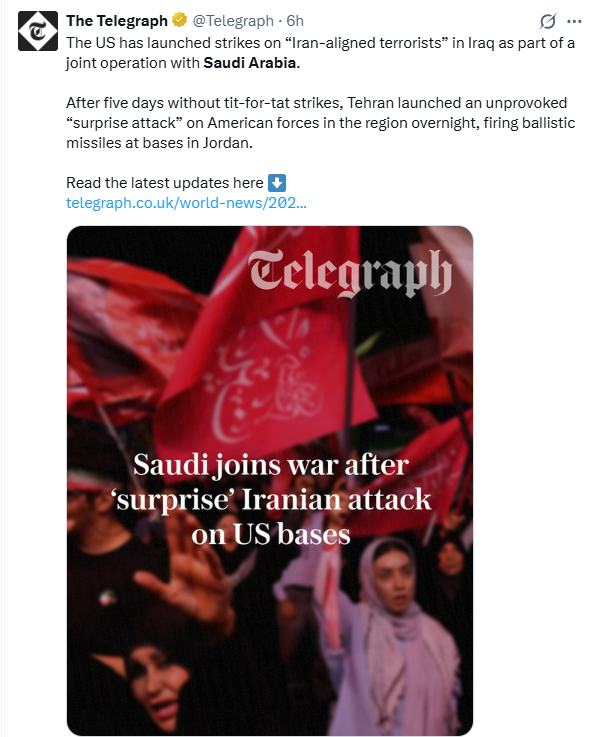
The joint U.S.-Saudi operation underscores how Iran’s strategy of using proxies to attack American forces and Gulf energy infrastructure continues to expand the battlefield. Iraqi territory has become a recurring launch pad, testing both Baghdad’s authority and the willingness of Gulf states to respond directly. CENTCOM has warned troops against posting operational videos that could aid Iranian targeting, highlighting ongoing force-protection concerns.
As of Wednesday morning, both sides were assessing next steps. Iran continues to demand a larger role in any arrangement governing the Strait of Hormuz, while the United States and its partners insist Tehran’s proxy attacks and missile launches must stop. Oil markets, regional capitals, and American forces remain on high alert for further escalation.
Whatfinger News Team: Sgt K
References
U.S., Saudi Forces Strike Iran-Backed Terrorist Sites in Iraq – U.S. Central Command
Iran War Live Updates: U.S. and Saudi Arabia Target Iranian Proxies – The New York Times
War expands as U.S.-Saudi strikes target Iraqi militias – CBS News
Iran war live: 20 killed in US-Saudi attack on Iraq – Al Jazeera
Top Vids across all Whatfinger sites right now
- Dr. Anthony Fauci testifies days after Sen. Rand Paul releases COVID diaries (We’ve all been scammed yet again as Fauci takes the 5th. This man will never see justice as he protects the Deep State in all ways)
- MURDERED OVER TIKTOK – The Quartering Vid
- FAUCI BOMBSHELL – The Quartering Vid
- Is This the End of American Sovereignty? Redacted Vid – Libertarian – Article under the vid at link
Get on over to Whatfinger.com – Whatfinger News does millions of pageviews a month for a reason…. Truth, Justice, the American way, plus news on the Left as well – all links from all sites gives you the true news. – CLICK HERE 🛑


See articles and videos to help you live as long and as healthy as possible…
- Michael Anthony Health at Choice
- Longevity Articles – Choice – Whatfinger News
- Michael Anthony Health Articles at Dedicated issues
