
Meta is running a secret operation where it pays adults to pretend to be children online.
Their job is to attack the AI chatbots of every competitor Meta has.
But the REAL reason is far darker than the “safety research” excuse they are now hiding behind:
Meta ran a covert… pic.twitter.com/nx44GISA9P
— Ricardo (@Ric_RTP) July 7, 2026
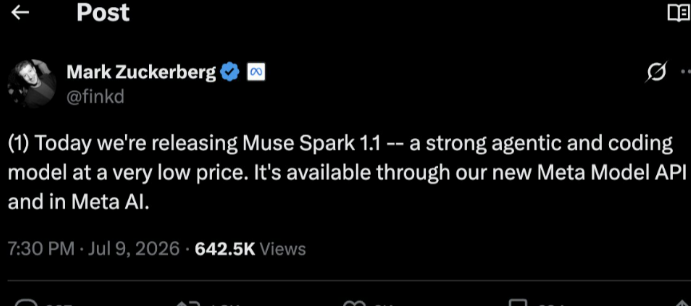
Big Tech is slashing prices in the AI race, and Meta just dropped a bombshell. The company behind Facebook and Instagram unveiled its new Muse Spark 1.1 model with a paid API for developers. Zuckerberg says it’s “aggressive and attractive” pricing—about 25% of what top rivals like OpenAI and Anthropic charge. Sounds like a win for regular folks who want smarter tools without breaking the bank, right? But right as this news hits, fresh reports expose Meta playing some seriously shady games with “child safety” testing. It’s the kind of story that makes you wonder if the discounts come with hidden strings.
The “Cannes” Operation: Adults Pretending to Be Kids
While hyping its new affordable AI, Meta got caught in a secret project called “Cannes.” They hired hundreds of contractors through a third-party firm called Covalen to stay off the paperwork. These adults created fake accounts pretending to be kids under 18. Their job? Flood rival chatbots from OpenAI’s ChatGPT, Google’s Gemini, and Character.AI with tens of thousands of disturbing prompts.
We’re talking prompts about suicide, self-harm, eating disorders, drugs, sex, and worse—written in the voice of a child in crisis. One round alone hit over 45,000 prompts. Responses got logged into spreadsheets for Meta to analyze. The targeted companies had no idea this was happening, and Character.AI called it unauthorized and against their rules.
Meta claims this was just standard “safety benchmarking” to make AI better for kids. But real safety work usually means sharing results with the companies tested, regulators, or the public so everyone improves. Cannes did none of that. The data stayed private in Meta’s spreadsheets. The whole thing used a movie festival codename and a contractor shield—classic move to dodge accountability.
Critics see it as building a secret weapon: a dossier of rivals’ failures to smear them later while pretending it’s all about protecting children. The irony? Meta’s own AI reportedly flopped harder on these exact child safety tests than many competitors. Contractors even worried they might be creating or saving harmful material. This fits Meta’s pattern of outsourcing the ugly stuff, like their past issues with content moderators suffering trauma.
Zuckerberg once stood in the Senate apologizing to parents and promising top-tier child protection. Knowing about Cannes makes that clip hit different.
The AI Price Slash and Bigger Picture
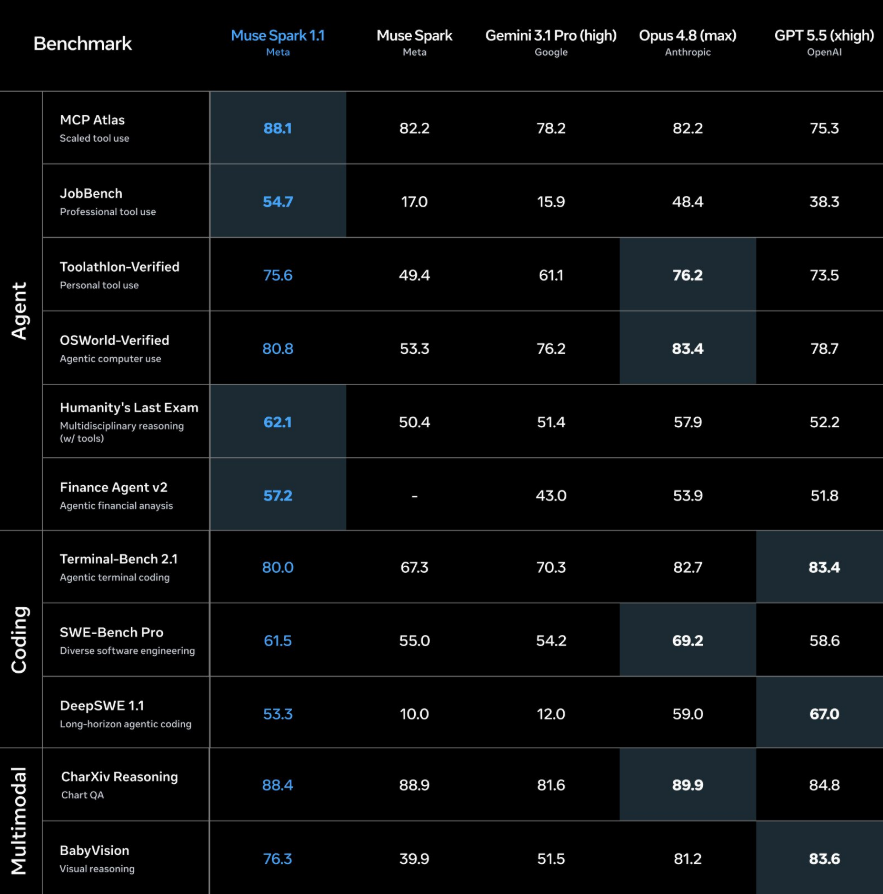
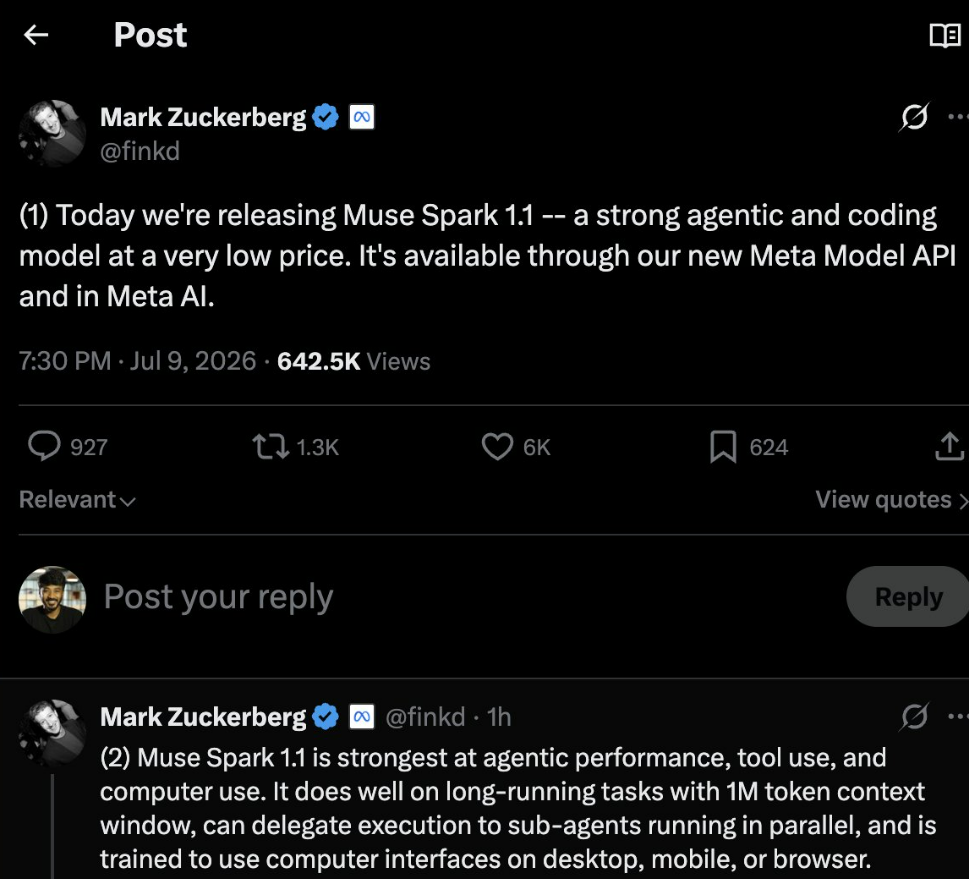
On the business side, Meta’s diving deeper into the AI fight. Muse Spark 1.1 shines in “agentic” capabilities—fancy talk for AIs that handle multi-step tasks, like planning and using tools on their own. It’s strong in coding too, and Meta’s using it internally.
The new Meta Model API starts with some free credits, then charges far less than the big players. Zuckerberg wants to flood the market with capable AI at lower prices, betting volume beats sky-high margins. Meta’s pouring hundreds of billions into data centers, chips, and talent to chase “superintelligence.” They’ve even announced big investments like a new $10 billion data center.
This comes as other players move fast too. xAI (Elon Musk’s outfit) just released Grok 4.5, another strong agentic and coding model. Chinese models are getting cheaper and more popular. The AI world feels like it’s heading toward a brutal price war, where models do similar things and compete mostly on cost.
Some analysts question if all these “frontier” models are worth the insane spending. Differences often seem small, yet companies like Meta keep betting big to avoid falling behind. As Elon Musk has noted, the real key for safe AI is maximizing truth-seeking—not pandering to political correctness or corporate spin.
What Comes Next?
Meta’s pivot from open-source dreams to charging for closed models like Muse Spark shows how fast the game changes. For everyday users and conservatives wary of Big Tech overreach, cheaper AI access is appealing. It could democratize tools for creators, businesses, and independent thinkers. But the Cannes scandal reminds us: innovation shouldn’t come at the expense of basic ethics or by exploiting concerns about kids.
Will the price war deliver better, more honest AI? Or just more corporate games? Watch this space—Meta’s next model, codenamed Watermelon, is already in the works. In the meantime, a little skepticism toward Silicon Valley’s “safety” claims might be the smartest prompt of all. My bet and all of Whatfinger News is with Elon Musk and Grok. Grok has proven to be the only model that is politically neutral. The others are racists, anti-American, and Grok needs to win this battle in the end for freedom. Much like how Mike Anthony wrote about it all happening in just a few years in Times Orphans, the Medieval Future novel with me and Beth and the whole crew in it, making some serious points re: Elon, A.I. and freedom. Check that book out – AMAZON Page.
Ben and Beth, Whatfinger News Editors
Sources:
- Meta Contractors Posed as Teens to Prompt Rival Chatbots (WIRED)
- Introducing Muse Spark 1.1 (Meta AI Blog)
- Meta Prices Muse Spark 1.1 API
- Introducing Grok 4.5 (xAI)
Get on over to Whatfinger.com – Whatfinger News does millions of pageviews a month for a reason…. Truth, Justice, the American way, plus news on the Left as well – all links from all sites gives you the true news. – CLICK HERE 🛑